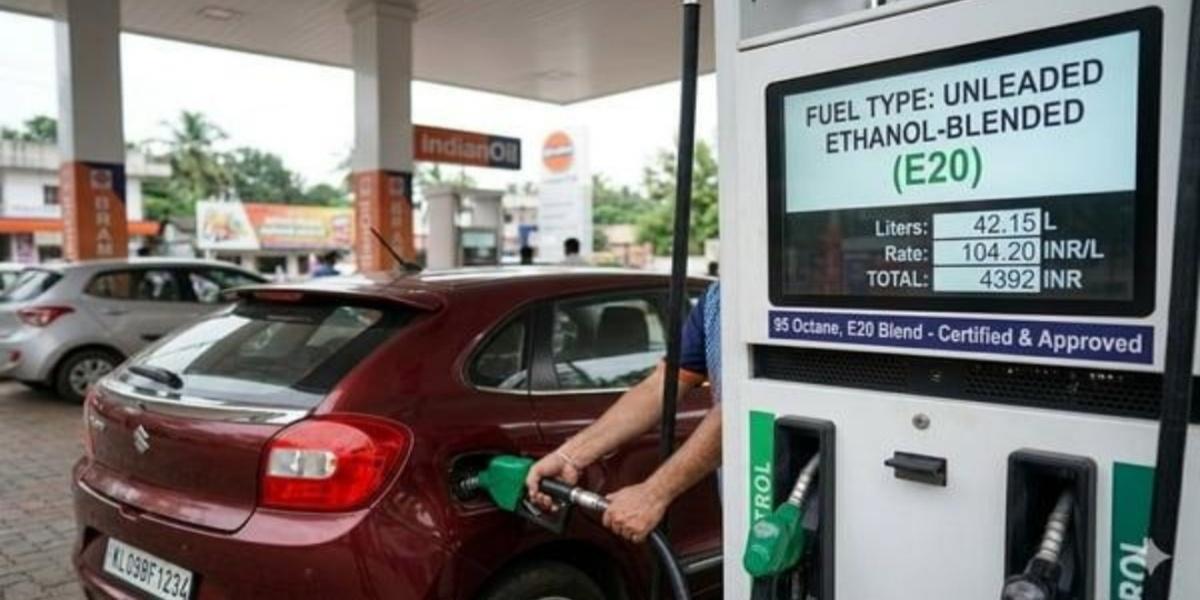
How Ethanol-Blended Fuel is Changing Indian Cars and the Indian Economy: India is rapidly moving towards cleaner and more sustainable fuels by increasing the use of ethanol-blended petrol. The Government of India has introduced E20 fuel, which contains 20% ethanol and 80% petrol, as part of its strategy to reduce crude oil imports, lower carbon emissions, and support Indian farmers. This shift highlights how ethanol-blended fuel is changing Indian cars and the Indian economy by transforming the automotive sector while strengthening the country’s energy security and agricultural growth. While ethanol blending offers several economic and environmental benefits, many car owners are concerned about its impact on vehicle performance and maintenance. Let’s understand both the advantages and the challenges.
How Does Ethanol Affect Cars?
1. Fuel Efficiency May Reduce Slightly
How Ethanol-Blended Fuel is Changing Indian Cars and the Indian Economy: Lower Fuel Efficiency
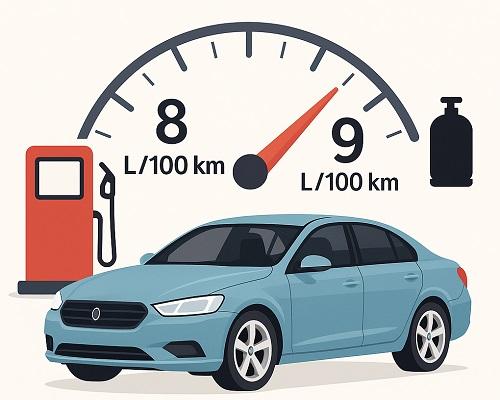
One of the key ways How Ethanol-Blended Fuel is Changing Indian Cars and the Indian Economy is through its effect on fuel efficiency. Ethanol contains approximately 30–35% less energy than petrol. As a result, vehicles running on E20 fuel may experience a 2–7% reduction in mileage, depending on the engine design.
What does this mean?
- Your car will still run normally.
- You may need to refill the fuel tank slightly more often.
- The effect is usually minimal in modern E20-compatible vehicles.
2. Older Cars Can Face Component Wear
How Ethanol-Blended Fuel is Changing Indian Cars and the Indian Economy: Impact on Older Vehicles
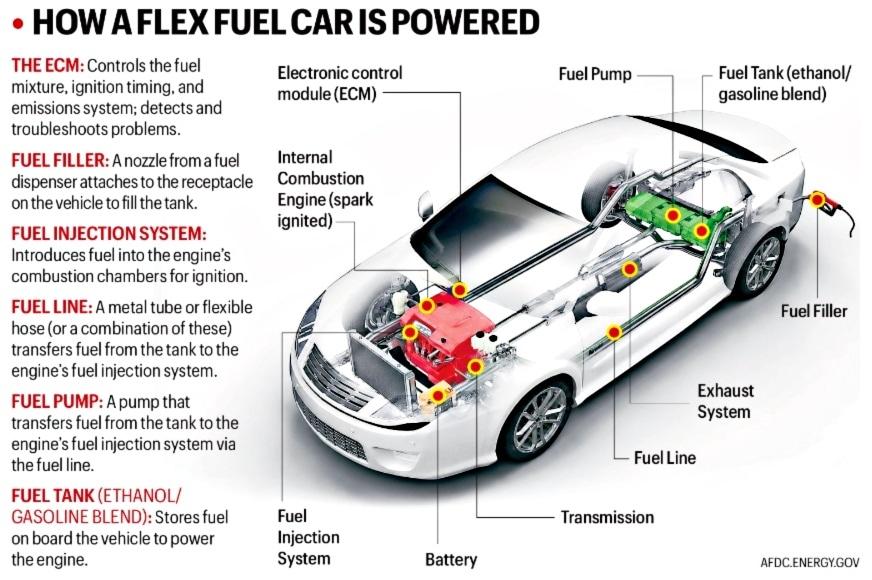
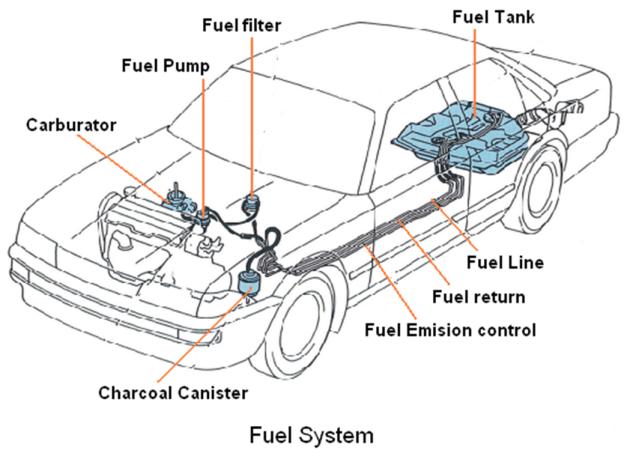
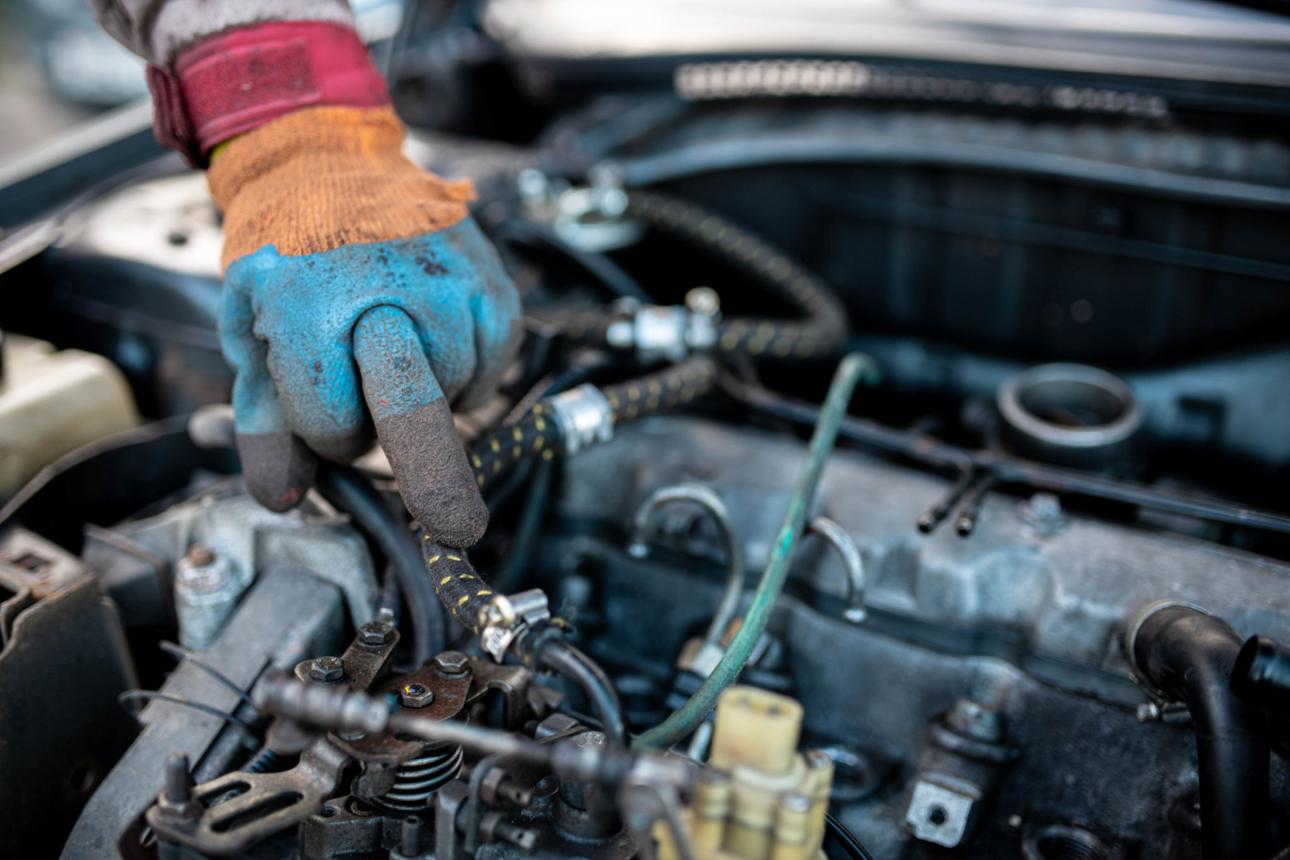
One of the significant ways How Ethanol-Blended Fuel is Changing Indian Cars and the Indian Economy is by affecting older vehicles that were not designed for higher ethanol blends. Vehicles manufactured before recent E20 standards may not have fuel systems compatible with increased ethanol concentrations.
Over time, ethanol can affect:
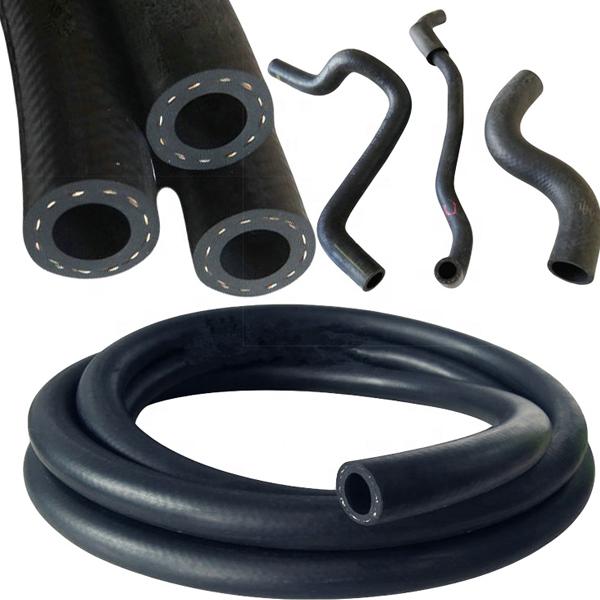
- Rubber seals
- Plastic fuel pipes
- Fuel pumps
- Metal fuel tanks (in older vehicles)
This doesn’t mean immediate damage, but prolonged use of ethanol-blended fuel may increase maintenance requirements. Newer E20-compatible vehicles are designed with materials that can better withstand higher ethanol content, reducing these concerns.
3. Cleaner Engine Combustion
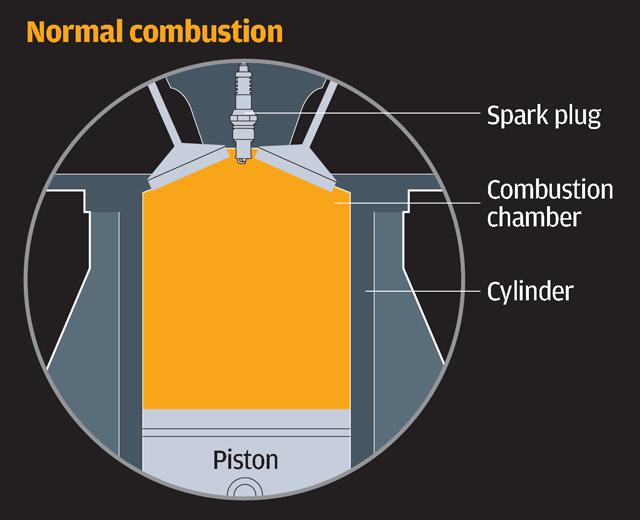
One of the biggest benefits of How Ethanol-Blended Fuel is Changing Indian Cars and the Indian Economy is its positive impact on the environment. Ethanol contains oxygen, which allows fuel to burn more completely inside the engine. This results in lower carbon monoxide emissions, reduced unburnt hydrocarbons, cleaner engine combustion, and less exhaust smoke. As a result, ethanol-blended fuel helps improve air quality, especially in densely populated urban areas, while supporting India’s goal of cleaner and more sustainable transportation.
4. Better Engine Performance in Modern Cars
A key aspect of How Ethanol-Blended Fuel is Changing Indian Cars and the Indian Economy is its impact on modern engine performance. Vehicles designed for E20 fuel can take advantage of ethanol’s high octane rating, which helps reduce engine knocking and improve overall efficiency. This leads to smoother combustion, better engine performance, and improved efficiency in high-compression engines. As a result, most new vehicles in India are being gradually developed to be E20-compatible, supporting cleaner, more efficient, and future-ready automotive technology.
Impact on the Indian Economy / How Ethanol-Blended Fuel is Changing Indian Cars and the Indian Economy
1. Lower Crude Oil Imports
A major reason How Ethanol-Blended Fuel is Changing Indian Cars and the Indian Economy is its role in strengthening India’s energy security. India currently imports nearly 85% of its crude oil, making it highly vulnerable to global oil price fluctuations. By using domestically produced ethanol, the country can reduce foreign exchange spending, improve energy security, and lower dependence on oil-exporting nations. This shift helps stabilize the economy and supports long-term financial resilience while promoting sustainable fuel alternatives.
2. Higher Income for Farmers
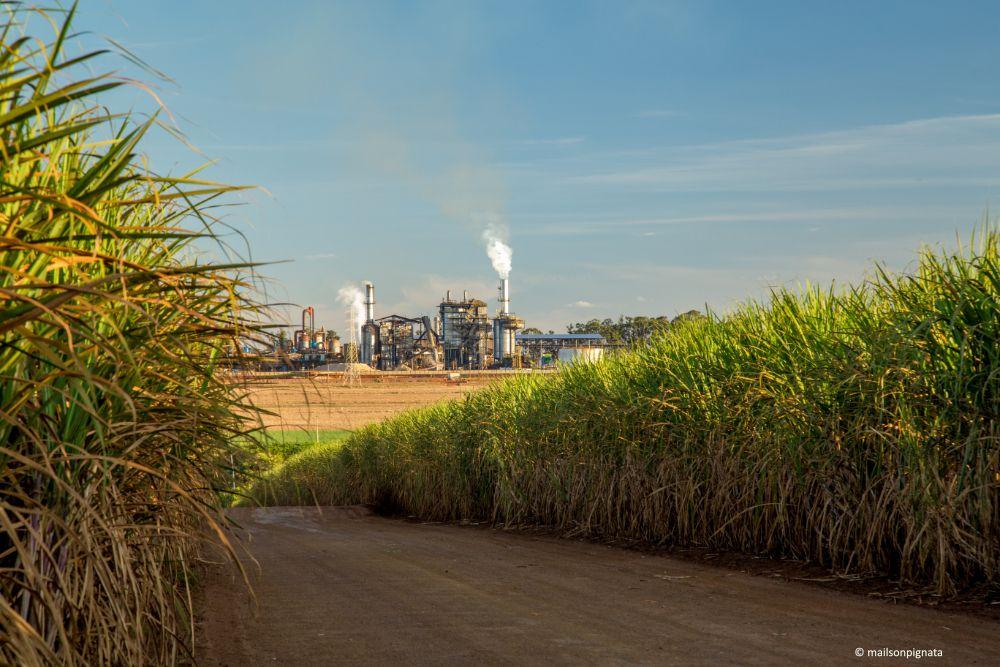
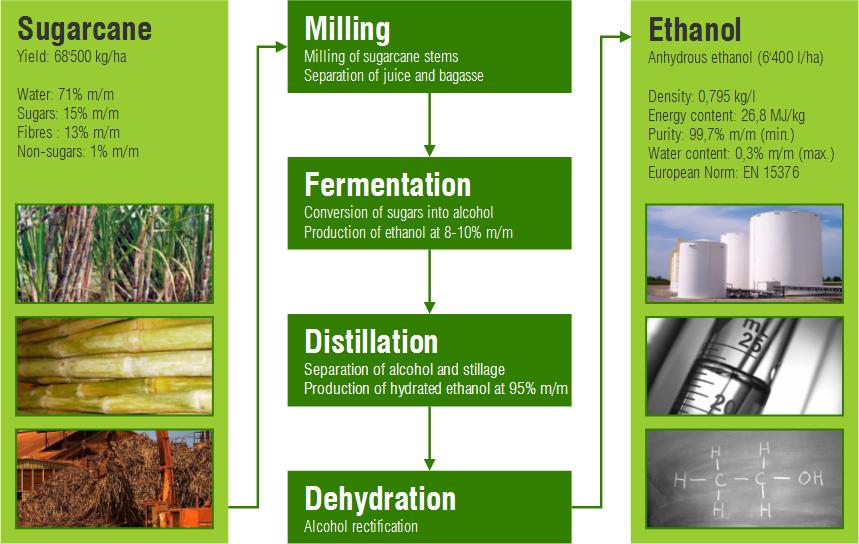
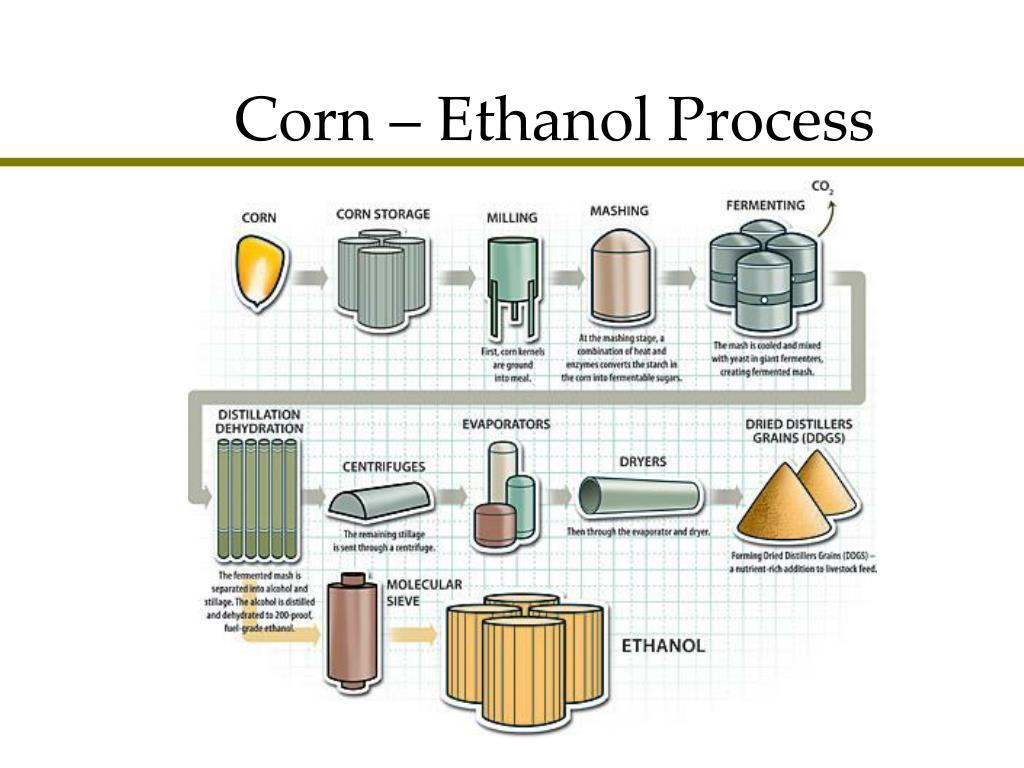
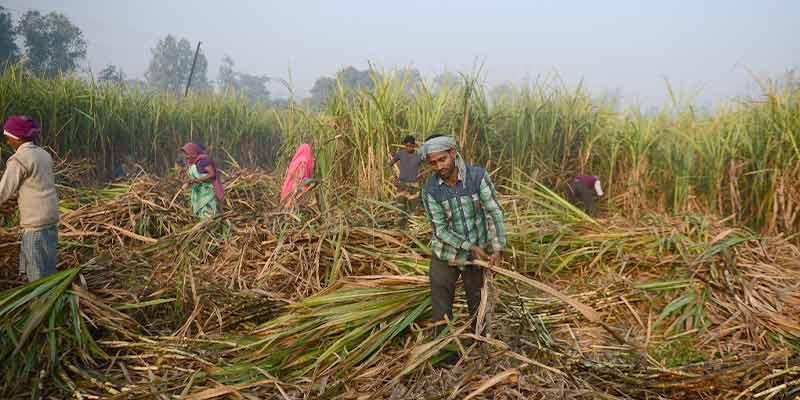
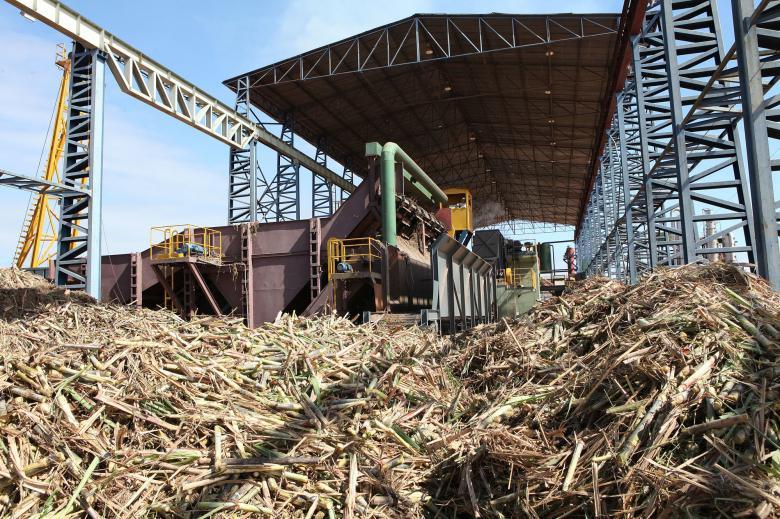
One of the most important aspects of How Ethanol-Blended Fuel is Changing Indian Cars and the Indian Economy is its positive impact on farmers. Ethanol is produced using agricultural products such as sugarcane, maize, and damaged food grains, which creates an additional market for farm produce. This leads to better crop prices, stable demand, and increased rural income. As a result, ethanol blending not only supports cleaner fuel but also strengthens the agricultural sector and improves the livelihood of farmers across India.
Growth of Sugar Mills
India often produces more sugar than it consumes.
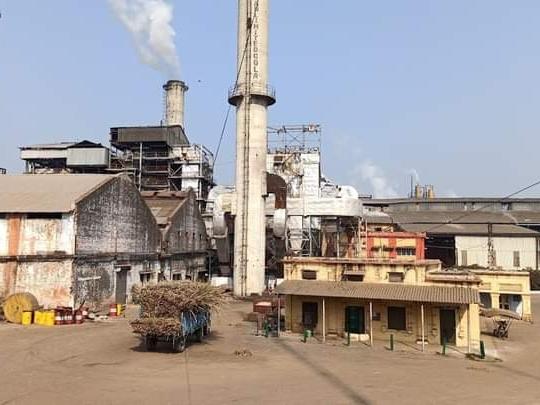
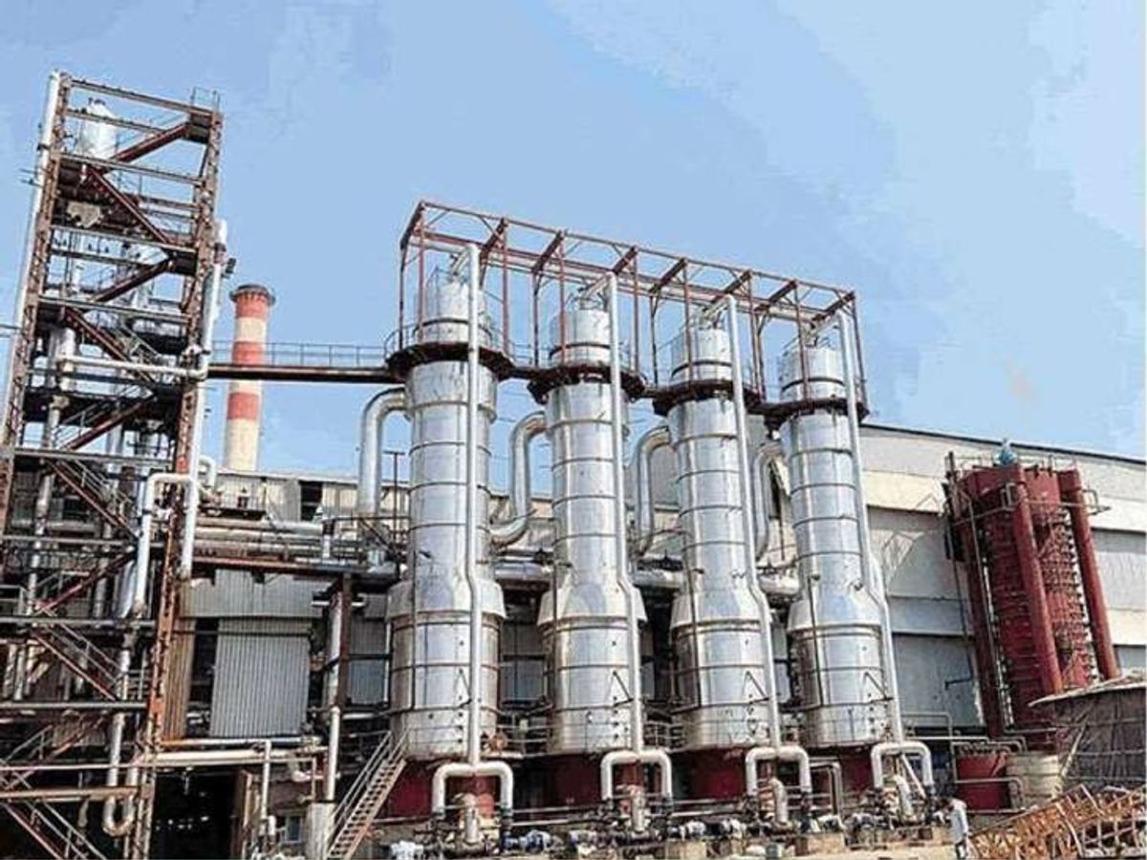
Instead of allowing surplus sugar to reduce prices, sugar mills convert excess sugar into ethanol.
Benefits include:
- Higher profits for sugar mills
- Faster payments to farmers
- Reduced sugar surplus
- Better financial stability in the sugar industry
Challenges of Ethanol Blending: How Ethanol-Blended Fuel is Changing Indian Cars and the Indian Economy
Food vs Fuel
One challenge in understanding How Ethanol-Blended Fuel is Changing Indian Cars and the Indian Economy is balancing food production with ethanol manufacturing. Excessive use of agricultural land for ethanol crops could affect food security, making it important to maintain a balance between food production, fuel needs, and farmer income.
High Water Consumption
Another aspect of How Ethanol-Blended Fuel is Changing Indian Cars and the Indian Economy is the increased demand for water. Since sugarcane requires large amounts of water, expanding its cultivation in water-scarce regions can strain groundwater resources. Experts recommend producing more ethanol from maize and agricultural waste to reduce this dependence.
Compatibility of Older Vehicles
How Ethanol-Blended Fuel is Changing Indian Cars and the Indian Economy also impacts older vehicles. Many older petrol cars may require regular servicing, fuel system inspections, and replacement of worn rubber or plastic components. However, most new vehicles are now designed to support E20 fuel.
Conclusion
How Ethanol-Blended Fuel is Changing Indian Cars and the Indian Economy goes beyond cleaner fuel. It supports energy independence, reduces crude oil imports, increases farmer income, lowers emissions, and promotes sustainable economic growth. As E20-compatible vehicles become more common and ethanol production becomes more efficient, India is moving toward a cleaner, greener, and more self-reliant future.